Septic costs — guidance, not a quote
Septic work is priced after the system has been located, opened and checked on site. These factors move the cost up or down.

What drives the cost
- Type of system: conventional tank and drain field, mound, or advanced or aerobic treatment unit.
- Tank size, sludge and scum levels and how easy the lids are to reach (risers help).
- Condition of baffles, filters, pumps, floats and the distribution box.
- Soil, depth to groundwater or bedrock, and slope for any new drain field.
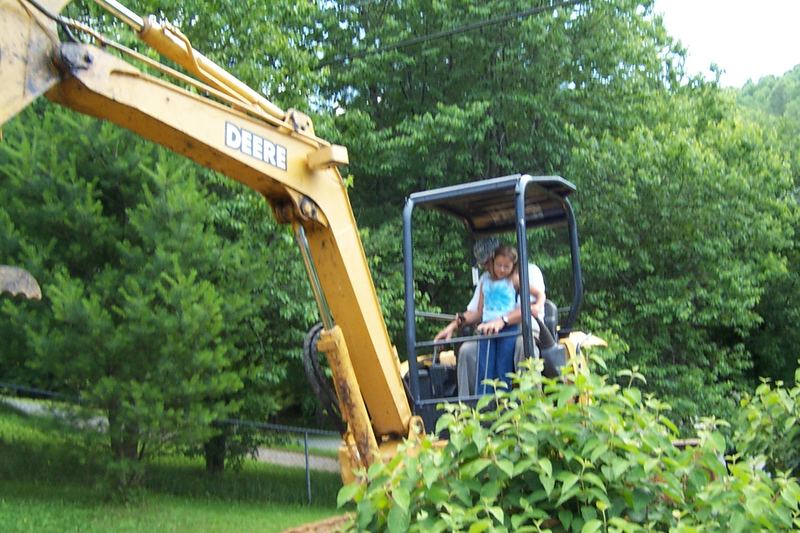
- Access for trucks and excavators, distance from the driveway and landscaping that must be restored.
- Permits, site or soil evaluations and inspections required by the local authority.
- Whether the work is routine maintenance or a failure that needs a repair or replacement design.
Grants and programs
Some states, counties and USDA Rural Development offer repair loans or grants for failing septic systems; check with your county health department before work starts.
Why there is no price list here
Two systems that look the same from the lawn can have very different tanks, soils and access, so any fixed price would be guesswork. Official guidance is linked below.